Deep Tissue Massage Therapy: Benefits and More

Deep Tissue Massage Therapy: Benefits and Why Aucklanders Swear By It
What Is Deep Tissue Massage?
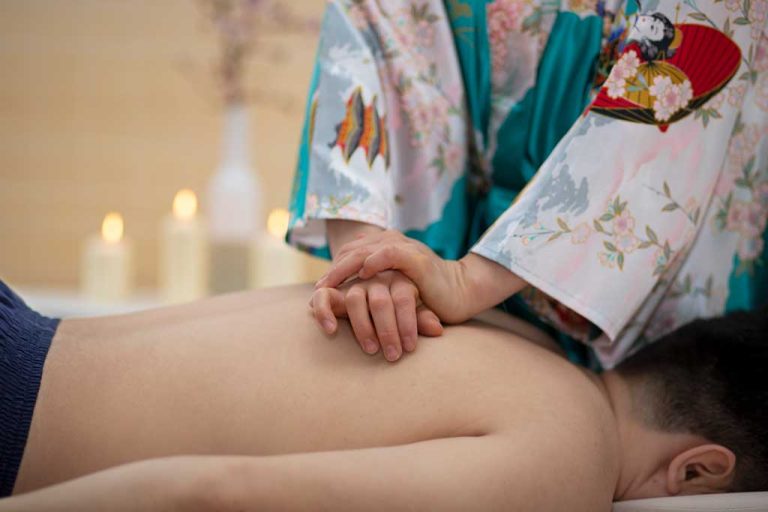
Deep tissue massage is a therapeutic technique that uses firm pressure and slow strokes to target deeper muscle layers and fascia (connective tissue). Unlike relaxation-focused Swedish massage, it addresses chronic pain, muscle knots, and postural imbalances by breaking down adhesions and improving blood flow.
“Deep tissue massage is like a reset button for your body—it digs into tension you didn’t even know you had.” — Auckland-based therapist at Belmont Thai Massage
Top 6 Benefits of Deep Tissue Massage
Physical Benefits
- Chronic Pain Relief: Effective for lower back pain, sciatica, and arthritis.
- Improved Mobility: Breaks scar tissue, enhances flexibility, and aids injury recovery.
- Posture Correction: Aligns muscles strained by desk work or poor ergonomics.
Mental & Emotional Benefits
- Stress Reduction: Lowers cortisol by 31% and boosts serotonin/dopamine.
- Better Sleep: Promotes relaxation and deeper sleep cycles.
- Enhanced Athletic Performance: Reduces muscle soreness and speeds recovery.
Why Aucklanders Need Deep Tissue Massage
Auckland’s fast-paced lifestyle—long commutes, desk jobs, and sports—often leads to muscle tension. Clinics like Belmont Thai Massage and Therapeutic report high demand for deep tissue treatments to address:
- Neck/shoulder stiffness from prolonged sitting.
- Sports injuries (e.g., rugby, hiking).
- Chronic stress from urban living.
Swedish vs. Deep Tissue Massage: What’s Best for You?
| Factor | Swedish Massage | Deep Tissue Massage |
|---|---|---|
| Pressure | Light to medium | Firm, targeted |
| Purpose | Relaxation | Pain relief, rehabilitation |
| Best For | Stress reduction | Chronic pain, injuries |
Source: Comparative analysis from Blys and Happipuncture clinics
What to Expect During a Session
- Consultation: Your therapist assesses pain points and goals.
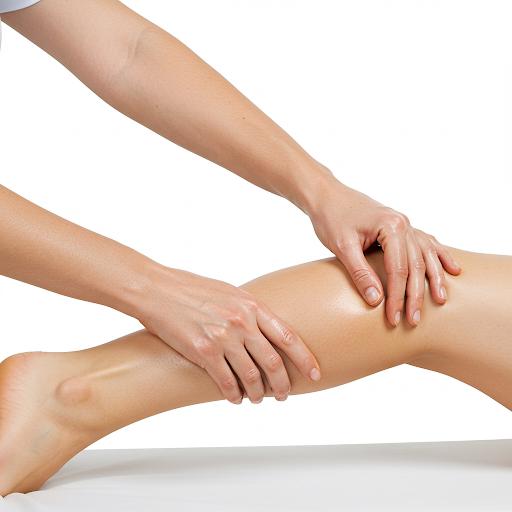
- Techniques: Slow strokes, trigger point therapy, and myofascial release.
- Post-Session: Mild soreness for 1–2 days is normal—hydrate and rest.
Choosing a Clinic in Auckland
For top-rated deep tissue massage in Auckland, consider these factors:
- Certified Therapists: Look for NZQA-certified professionals.
- Customized Plans: Clinics like Wudi Physiotherapy & Acupuncture Auckland tailor treatments to injuries or chronic conditions.
- Location: Opt for clinics in central areas like Takanini or the North Shore.
Key Takeaways
- Deep tissue massage relieves chronic pain and improves posture.
- Auckland’s active lifestyle makes it a go-to for athletes and professionals.
- Always communicate pressure preferences to your therapist.
FAQs
Does deep tissue massage hurt?
It may feel intense but shouldn’t be painful. Discomfort fades as muscles release tension.
How often should I get a session?
Every 2–4 weeks for chronic issues; consult your therapist for a personalized plan.
Conclusion
Deep tissue massage therapy is a game-changer for Aucklanders battling muscle tension, chronic pain, or stress. With clinics like Wudi Physiotherapy & Acupuncture Auckland offering tailored treatments, relief is just a session away. Ready to unwind? Book your appointment today!
Contact Us
| Address | 17 Arion Road, Takanini, Auckland 2112, NZ. |
| wudiphysioacu@gmail.com | info@wudiphysioacu.co.nz | |
| Phone | 09 838 1008 |
| Website | www.wudiphysioacu.co.nz |
External Resources
- Health Navigator NZ – Guide to massage therapy.
- ACC New Zealand – Injury rehabilitation support.