Chinese Medicine for Insomnia NZ 2025
Finding Restful Sleep Through Ancient Wisdom in Modern Times
Are you tossing and turning night after night, watching the clock tick away while sleep remains elusive? Insomnia affects countless New Zealanders, robbing them of restful nights and productive days. In 2025, more people than ever are turning to Traditional Chinese Medicine (TCM) for natural, holistic solutions to their sleep troubles. At Wudi PhysioAcu, we understand the frustration and fatigue that accompany sleep disorders, which is why we’ve developed comprehensive approaches that combine ancient wisdom with modern physiotherapy techniques.
Our unique integration of TCM principles with contemporary physiotherapy creates a powerful healing system that addresses not just your symptoms but the root causes of your sleep disturbances. Throughout this article, we’ll explore how our personalised treatment plans can help restore your natural sleep patterns, the specific TCM treatments gaining recognition in 2025, and how our holistic approach empowers you to take control of your sleep health. Let us guide you through the gentle yet effective world of Chinese medicine for insomnia, where balance and restful nights await. 💤✨
Understanding Traditional Chinese Medicine (TCM) for Insomnia
The Philosophy of Balance and Sleep in TCM
In our practice of Traditional Chinese Medicine, we view sleep as a dynamic physiological process influenced by the flow of vital energy (qi) and the interplay of yin and yang energies. The body’s energy cycle follows a specific daily route that regulates the sleep-wake pattern in harmony with natural rhythms. When yang energy predominates during the day, it promotes wakefulness and activity. Conversely, as night falls, yin energy should naturally increase, facilitating relaxation and restful sleep.
We recognise that disruptions to this delicate balance between yin and yang energies often manifest as insomnia. This condition can present as insufficient sleep, difficulty falling asleep, or an inability to maintain sleep throughout the night. At its core, TCM emphasises the importance of harmonising these opposing yet complementary forces to restore a healthy sleep cycle.
How TCM Differs from Western Approaches to Insomnia
Our TCM approach to insomnia fundamentally differs from Western medicine in several key aspects. While Western medicine typically views insomnia as a sleep disorder requiring pharmacological intervention, we consider it a manifestation of underlying imbalances within the body’s energy systems.
Western treatments often focus on symptom management through sleep medications, which may raise concerns about dependence and resistance over time. In contrast, we employ a holistic approach that addresses the root causes of sleep disturbances. Cognitive behavioural therapy has emerged as a preferred first-line treatment in Western medicine, aligning somewhat with our philosophy of treating the whole person rather than just symptoms.
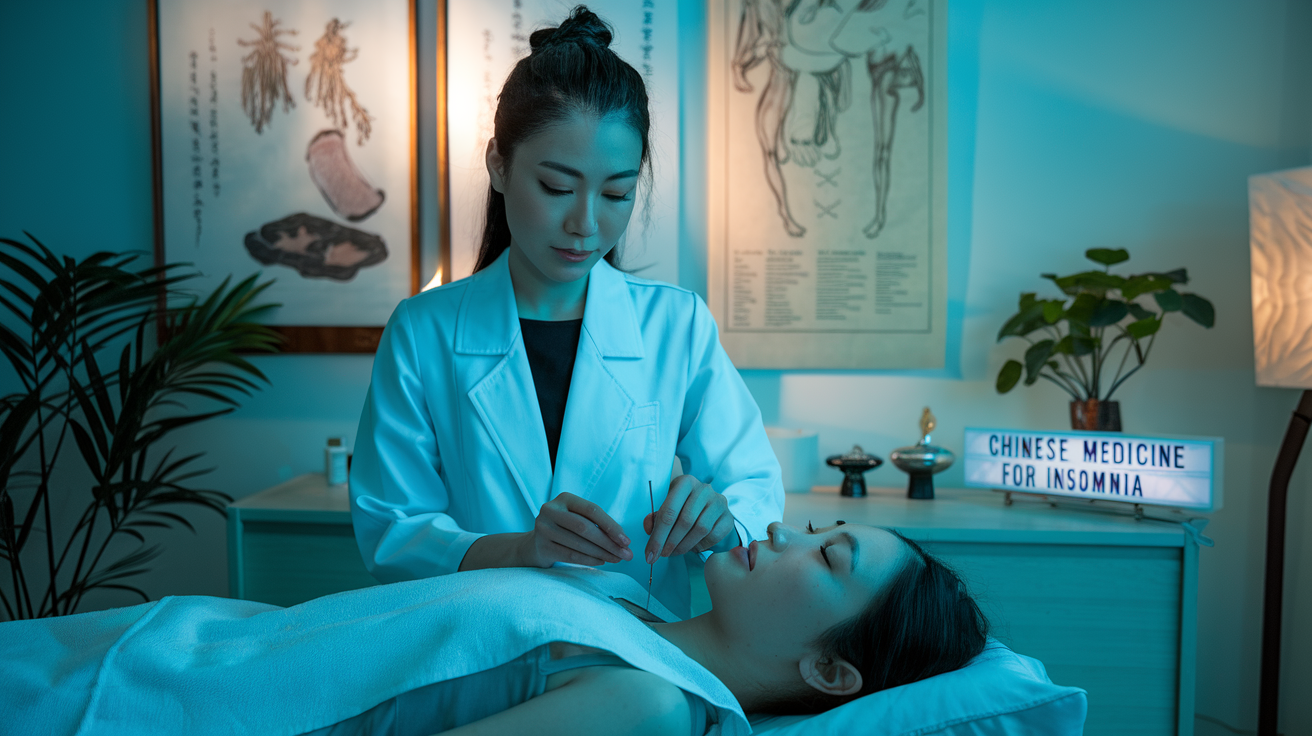
Our treatments incorporate various modalities including dietary adjustments with specific herbs (such as spinal date seed, lily bud, and dried longan), herbal teas like chamomile and rose bud to balance qi, and acupuncture targeting specific points such as Nei Guan and Shen Men to enhance qi circulation.
Common TCM Diagnoses for Sleep Disorders
In our clinical practice, we diagnose insomnia through several common TCM syndromes that reflect different imbalances within the body:
- Heart Deficiency: When the heart’s energy is depleted, it cannot anchor the spirit properly during sleep
- Liver Stagnation: Excessive stress or emotions causing blocked energy flow in the liver meridian
- Spleen and Heart Deficiency: Inadequate blood production leading to malnourishment of the heart
- Kidney Yin Deficiency: Internal heat arising from insufficient cooling yin energy
- Stomach Disharmony: Excess heat or food stagnation disturbing restful sleep
We recognize that the syndrome differentiation of the five zang-organs plays a critical role in determining the appropriate treatment strategy for each individual experiencing insomnia.
With this understanding of TCM principles for addressing sleep disorders, we’ll next explore how Wudi PhysioAcu applies these concepts in our holistic approach to treating insomnia in New Zealand.
Wudi PhysioAcu Holistic Approach to Insomnia
Now that we have covered the fundamentals of Traditional Chinese Medicine for insomnia, let’s explore how we at Wudi PhysioAcu implement these ancient principles with modern techniques to create effective sleep solutions for our New Zealand patients.
Personalised Treatment Plans for Sleep Improvement
At Wudi PhysioAcu, we recognise that insomnia stems from different underlying causes for each individual. Following TCM principles, we identify whether your sleep issues result from blood deficiency, yin deficiency, or liver Qi stagnation – the three primary causes of insomnia according to Chinese medicine. Unlike conventional treatments that offer a one-size-fits-all approach, we develop customised plans based on a comprehensive analysis of your specific condition.
For patients experiencing insomnia due to worry and rumination (blood deficiency), we may prescribe specific herbal formulas like Gui Pi Tang to enhance sleep quality and reduce stress-related cortisol levels. Those suffering from night sweats and difficulty maintaining sleep (yin deficiency) might benefit from Tang Wang Bu Xin Dan to replenish cooling fluids and promote deeper, more restorative sleep. When chronic stress affects your liver’s ability to regulate Qi, leading to anxiety and sleep disturbances, we often recommend Suan Zao Ren Tang to support your nervous system and facilitate relaxation.
Integration of Ancient Wisdom with Modern Techniques
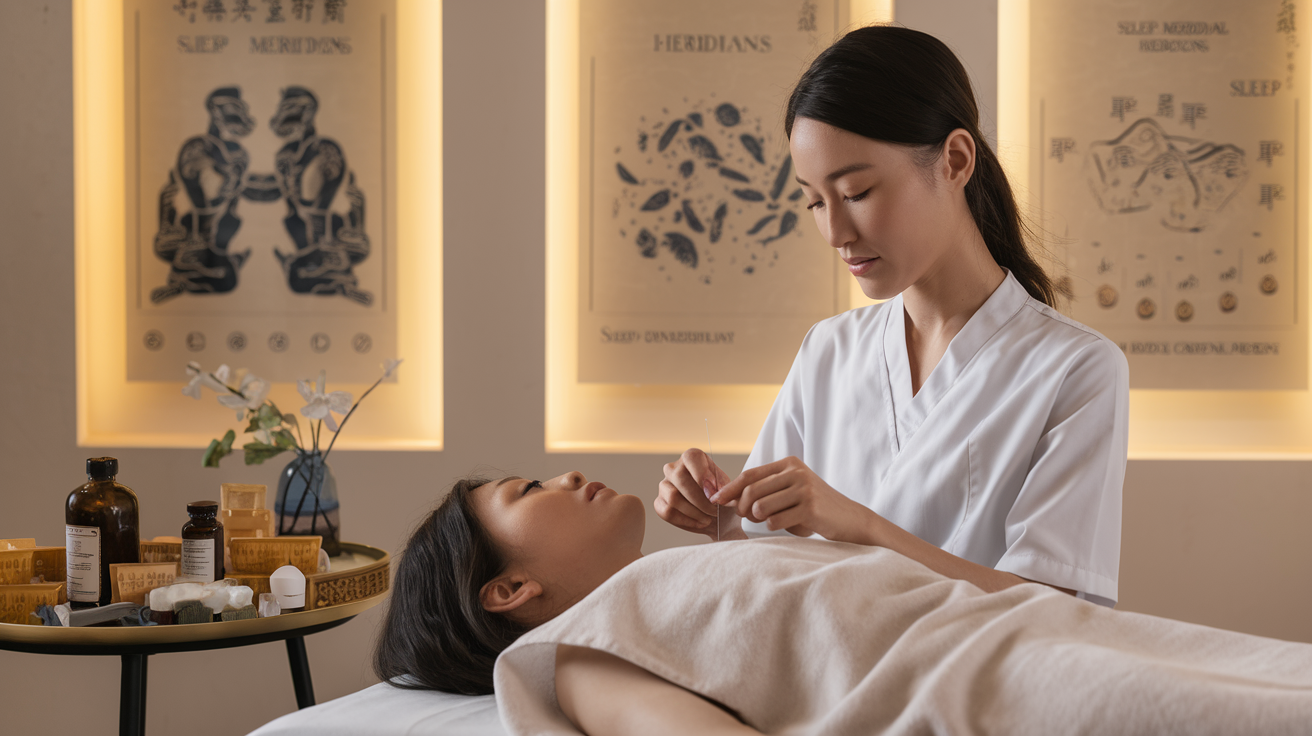
Our approach at Wudi PhysioAcu combines time-tested TCM wisdom with contemporary therapeutic methods. We integrate acupuncture sessions with personalised herbal treatments, creating a synergistic effect that addresses both symptoms and root causes of insomnia. This combination has proven particularly effective in our Auckland clinic, as acupuncture enhances sleep quality by promoting the release of beneficial neurotransmitters without the adverse effects associated with conventional sleeping pills.
We also incorporate physiotherapy elements that complement TCM principles, addressing physical tension or discomfort that may contribute to sleep disturbances. This integration represents our commitment to bridging ancient healing traditions with modern clinical approaches.
Creating Optimal Conditions for Restorative Sleep
Our holistic approach extends beyond clinical treatments to establish the ideal environment for quality sleep. We emphasise the importance of harmonising your body’s energy cycle with natural rhythms of yin and yang. When these energies are balanced, sleep comes naturally and remains restorative throughout the night.
We provide guidance on lifestyle modifications essential for regulating your body’s natural rhythms, including maintaining consistent daily routines, practising relaxation techniques, and incorporating warm foot soaks before bedtime. Our recommendations may also address dietary habits and emotional stress management, as these factors significantly impact sleep quality according to TCM principles.
With this comprehensive approach to insomnia treatment, we help our New Zealand patients achieve sustainable improvements in sleep quality. In the next section, we’ll explore specific effective TCM treatments for insomnia in 2025, including advanced acupuncture protocols and innovative herbal formulations that have shown remarkable results for our patients.
Effective TCM Treatments for Insomnia in 2025
Building on our holistic approach at Wudi PhysioAcu, we’ve refined our Traditional Chinese Medicine (TCM) treatments to address the root causes of insomnia. As we’ve seen in our approach to insomnia, balance is essential—now let’s explore the specific treatments we offer in 2025.
Acupuncture Protocols for Enhanced Sleep Quality
Our advanced acupuncture protocols target specific meridian points that influence the flow of Qi related to sleep. By addressing imbalances in Yin and Yang, our treatments help restore the natural rhythm needed for restful sleep. We focus on points that:
- Regulate neurotransmitters involved in sleep cycles
- Address specific patterns like Liver Fire and Heart Heat
- Calm excess Yang that causes restlessness and anxiety
- Strengthen Yin qualities that promote deep, restorative sleep
For patients who experience difficulty falling asleep versus those who struggle with staying asleep, we customize different acupuncture point combinations to address their unique needs.
Herbal Remedies Customised for Different Sleep Issues
Our TCM practitioners prescribe personalised herbal formulations based on your specific sleep disturbance pattern:
- For those with racing thoughts, herbs like Suan Zao Ren and Bai Zi Ren promote relaxation
- Yuan Zhi formulations help those with anxiety-related insomnia
- Liver Yin deficiency patterns receive herbs that nourish and calm the liver system
- Heart Heat patterns are treated with cooling herbs that settle the mind
We provide these remedies in various forms—teas, extracts, and supplements—tailored to integrate seamlessly into your daily routine.
Gua Sha and Cupping Therapy for Relaxation and Better Sleep
Our 2025 sleep treatment protocols now include enhanced Gua Sha and cupping techniques that:
- Release tension in muscles that prevent relaxation
- Stimulate the flow of Qi and Blood to nourish the mind
- Promote the detoxification processes that naturally occur during sleep
- Create a deeply relaxed state conducive to better sleep quality
These therapies are particularly effective for those whose insomnia stems from physical exhaustion, overwork, or chronic tension.
With these effective TCM treatments in place, we find that many patients experience significant improvements in their sleep quality. As we’ll explore in the next section, combining these traditional approaches with modern physiotherapy techniques creates an even more powerful treatment strategy for sleep disorders, addressing both the energetic and physical components of insomnia.
Combining Physiotherapy with TCM for Sleep Disorders
Now that we’ve explored effective TCM treatments for insomnia in 2025, we want to highlight our innovative approach at Wudi PhysioAcu that combines traditional Chinese medicine with physiotherapy techniques for comprehensive sleep disorder management.
Physical Techniques to Address Tension Affecting Sleep
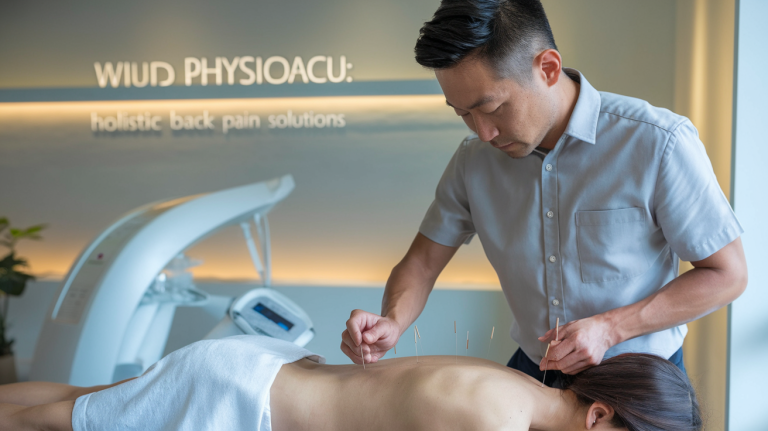
We understand that physical tension is often a significant contributor to sleep difficulties. Our approach integrates TCM principles of Qi flow with targeted physiotherapy interventions. Similar to Ada Cheng’s acclaimed methods highlighted in our testimonials, we focus on identifying areas of tension that disrupt the body’s natural sleep rhythms. By addressing these physical blockages, we help restore the balance between Yin and Yang energies essential for quality sleep. Our practitioners are skilled at identifying how physical discomfort may be disrupting your body’s internal clock, which, as TCM teaches us, is crucial for aligning organ functions with optimal sleep periods.
Deep Tissue Massage for Stress Reduction and Improved Circulation
Our therapeutic massage techniques are specifically designed to promote relaxation and enhance blood circulation, both vital components for quality sleep. Drawing from successful treatments noted in our client testimonials, we utilise muscle-relaxing massage similar to what helped world champion Wei Xiaoyuan overcome fatigue. This approach not only releases physical tension but also supports the flow of Qi throughout the body. By improving circulation, we help nourish tissues with oxygen and nutrients while removing metabolic waste that can contribute to discomfort and restlessness during sleep hours.
Rehabilitation Exercises for Better Sleep Posture and Comfort
We develop personalised rehabilitation exercise programs that improve sleep posture and overall physical comfort. Taking inspiration from Dr. Dillon Landi’s successful recovery plan, our comprehensive approach includes follow-up exercises that patients can perform at home. These exercises strengthen supportive muscles, improve flexibility, and correct postural imbalances that may be contributing to sleep disruption. By enhancing physical alignment, we help create the optimal conditions for a calm, cool sleep environment that fosters Yin energy, as recommended in TCM principles.
With this integrated approach to managing sleep disorders, we’re not just treating symptoms but empowering our patients with sustainable solutions. In the next section, we’ll explore how we further empower patients through our TCM sleep solutions, giving you the tools and knowledge to take control of your sleep health.
Empowering Patients Through TCM Sleep Solutions
Now that we’ve covered how combining physiotherapy with TCM creates a comprehensive approach to sleep disorders, we want to focus on empowering you to take an active role in your sleep health journey.
Lifestyle Recommendations to Complement Treatments
At Wudi PhysioAcu, we believe in addressing the root causes of insomnia through balanced living. According to TCM principles, insomnia often stems from imbalances in yin and yang energy. We recommend adjusting your dietary habits to support better sleep:
- Increase consumption of yin (cooling) foods such as tofu, cucumbers, and bananas
- Avoid yang (heating) foods, particularly alcohol, caffeine, and spicy dishes
- Maintain regular mealtimes to support your body’s natural rhythms
Emotional well-being plays a crucial role in sleep quality. Excessive emotions like anger or extreme happiness can disrupt your sleep-wake cycle. We encourage daily mindfulness practices to manage emotional states that may contribute to insomnia.
Self-Care Techniques for Maintaining Sleep Improvements
We teach our patients simple yet effective self-care techniques to enhance their TCM treatments:
- Acupressure: Apply gentle pressure to sleep-promoting points like An Mian (“peaceful sleep”) and Yong Quan (“bubbling spring”) before bedtime
- Digital detox: Unplug from electronic devices for 15-30 minutes before sleep
- Evening foot soak: Soak your feet in warm water with a slice of ginger to enhance circulation and calm an overstimulated mind
- Mindful breathing: Practice deep, rhythmic breathing to transition into sleep mode
These techniques support the natural balance of yin and yang energy, helping to maintain the improvements gained through our professional TCM treatments for insomnia.
Long-Term Strategies for Sustainable Sleep Health
For sustainable sleep health, we recommend establishing consistent sleep hygiene practices:
- Create calming bedtime rituals to signal to your body it’s time to rest
- Regularly check in with your physical and emotional state
- Engage daily in activities that bring joy and relaxation
- Practice self-forgiveness and let go of the day’s stresses
We also suggest seasonal adjustments to your herbal support, incorporating sleep-promoting herbs like spinal date seed, bai zi ren, and jujube seed as teas or formulas tailored to your specific constitution.
With these holistic sleep solutions, our Auckland patients achieve not just temporary relief but long-term improvement in their sleep quality. Next, we’ll explore more about our Traditional Chinese Medicine Clinic in NZ and how our specialised facilities support comprehensive insomnia care.
Traditional Chinese Medicine Clinic NZ
Finding the Right Traditional Chinese Medicine Clinic in NZ
Looking for a TCM clinic in New Zealand that really gets insomnia? We’ve been there. The struggle is real when you’re staring at the ceiling night after night.
At Wudi PhysioAcu, we combine ancient wisdom with modern techniques to tackle sleep issues head-on. Our Auckland clinic has become a sanctuary for sleep-deprived Kiwis seeking alternatives to conventional treatments.
What makes a great TCM clinic for sleep disorders? First, experienced practitioners who understand both Eastern and Western approaches to sleep. Second, a comprehensive treatment plan that’s tailored just for you.
What to Expect at Your First Visit
Your initial consultation isn’t just a quick chat – it’s an in-depth discovery of your sleep patterns, lifestyle, and overall health. We’ll check your pulse, examine your tongue (yes, really!), and ask questions that might seem unrelated but help us see the complete picture.
Unlike conventional doctors who might immediately prescribe sleeping pills, we dig deeper to find the root cause of your insomnia. Maybe it’s a qi imbalance, or perhaps liver heat is keeping you awake. Whatever it is, we’ll find it.
Our treatment plans typically combine acupuncture, herbal formulas, and lifestyle recommendations. And we’re big believers in tracking progress – sleep diaries help us fine-tune your treatment as we go.
Contact us
Need help or have a question?
Struggling with insomnia can feel isolating, but you’re not alone in this journey. We’re here to support your path to better sleep through traditional Chinese medicine approaches.
Got questions about how Chinese medicine might help with your sleep issues? Wondering if our treatments are right for you? We’re just a phone call or email away.
Reach out to us through any of these convenient options:
- Phone: 09 838 1008
- Email: wudiphysioacu@gmail.com
- Location: 17 Arion Road, Takanini, Auckland 2112, NZ
Our team is ready to answer all your questions about our sleep therapy treatments, acupuncture sessions, or Chinese herbal remedies for insomnia. No question is too small when it comes to your health and well-being.
We understand that seeking help for sleep problems can feel overwhelming. That’s why we make connecting with us as simple as possible. Whether you prefer a quick phone conversation, a detailed email exchange, or a face-to-face chat, we’ve got you covered.
Our clinic offers ample parking at the mall opposite our location. If you have mobility challenges, simply give us a call before your visit, and we’ll ensure you receive proper assistance.
Don’t let another sleepless night pass you by. Reach out today and take the first step toward restful, rejuvenating sleep with our specialised Chinese medicine approaches.
Traditional Chinese Medicine offers a powerful, natural approach to addressing insomnia in 2025, combining ancient wisdom with modern physiotherapy techniques. At Wudi PhysioAcu, we believe in treating not just the symptoms but the underlying imbalances causing sleep disturbances. Our holistic treatments—including acupuncture, herbal therapy, Gua Sha, and cupping—work synergistically with physiotherapy to restore your body’s natural sleep rhythms.
We invite you to experience the difference that our personalised care can make in your sleep quality and overall well-being. Our team is committed to creating a welcoming environment where you’ll feel supported on your journey toward better sleep. Contact us today to discover how our integrated TCM approach can help you overcome insomnia and embrace restful, rejuvenating sleep. Your path to natural, restorative sleep begins here.